Protestant State Churches in Europe in the 18th Century
Compared to the protestant mission of the 19th century however the work remained fragmentary. One of Franckes institutions in Halle was the paedagogium 1698 a boarding school for the sons of well-to-do parents who lived at a distanceNikolaus Ludwig Graf von Zinzendorf 170060 the godson of Spener who attended the Halle boarding school from 1710 to 1716 was greatly influenced by his godfather and then.

Pin On Tudor Dolls And Other Collectibles
The missionary society whose relationship with official state churches was not always a smooth one was an.

. Pastors were paid by the State. At last worship unions were authorised. The Protestant churches that emerged from the Reformation movements of the 12th to the 16th centuries arrived late to efforts to spread Christianity which during a period from the 16th century onward emanated exclusively from Europe.
Each state which turned Protestant had their own reformers who contributed towards the Evangelical faith. While claiming its link with the faith of the Church of the early centuries the Reformed Churches clearly kept. The missionary zeal of the official churches also lagged.
In 1918 Alsace and Lorraine regions became French again but the separation of Church and State introduced in France in 1905 was not implemented here. The Church in the Long Eighteenth Century. What best describes both Catholic and Protestant churches in eighteenth-century Europe.
By the middle of the 16th century there was a considerable Protestant movement in Hungary mainly in the eastern part of the country where it enjoyed the protection of the princes of Transylvania. Church and State in 18th Century Spain. Protestantism eventually became the majority faith throughout northwestern Europe and in England and English-speaking America.
The Reformed Churches adopted a new Confession of Faith based on Calvins project. It was run on increasingly democratic lines with the laity taking greater responsibility in ecclesiastical affairs. It comprised 40 articles.
Especially in the 18th century economic prosperity combined with the advance of secularism began to affect these state churches. In so far as the churches had participated in the renewal of which I have spoken they had after all at least a. The Protestant churches that emerged from the Reformation movements of the 12th to the 16th centuries arrived late to efforts to spread Christianity which during a period from the 16th century onward emanated exclusively from Europe.
They declined in numbers and influence. They still benefited from the concordat system introduced in 1802. Just to remind you of what weve been saying if you look at the period from say 1559 to 1640 you have a gradually emergence of.
The missionary society whose relationship with official state churches was not. In 16th-century Christianity Protestantism came to the forefront and marked a significant change in the Christian world. The Protestant Churches in Europe then were not wholly unprepared when the first shocks of the earthquake came in 1933 heralding the world catastrophe of today.
The following is a guest post by Eliza Friend who served as a spring 2021 remote intern transcribing and researching documents in the Herencia. Century Protestant Reformation and one of the first institutions to be reformed. And the blame cannot be placed on the East India Companies only.
Germany was home to the greatest number of Protestant reformers. In Electoral Saxony the Evangelical-Lutheran Church of Saxony was organised and served as an example for other states although Luther was not dogmatic on questions of polity. We have come to the point where what we think of as modern denominations are beginning to take shape and that is what I want to talk about today.
It is impossible to separate Protestantism from. The more innovative changes in Protestant teachings theory in the. Protestant Church in England in the Late 17th Century.
Separation of Church and State Musée protestant The 19th century Separation of Church and State. During the early-sixteenth-century the people in Western Europe decided they wanted a restructuring in the church called the reformation. David Hemptons latest book is the best most authoritative and most imaginative overview of the history of the world-wide Christian Church in the period between the late 17th and early 19th centuries we have to date.
Asked Apr 18 2017 in History by Sarboso. In Europe there was a general move away from religious observance and belief in Christian teachings and a move towards secularism. And as it was to be ratified during the Synod of La Rochelle in 1571 it was called the La Rochelle Confession of Faith.
The Protestant lands at the beginning of the 17th century were concentrated in Northern Europe with territories in Germany Scandinavia England Scotland and areas of France the Low Countries Switzerland Kingdom of Hungary and PolandHeavy fighting in some cases a continuation of the religious conflicts of the previous centuries was seen particularly in the. The Church of North India has dioceses in the state and is a large Protestant church with full communion with the Anglican Church. What Was The Role Of Protestant Reformation In The 18th Century.
Protestantism in England in the 20th century Musée protestant The 20th century Protestantism in England in the 20th century. June 8 2021 by Stephen Mayeaux. The separation of Church and State on the 9 th of December 1905 was easy to accept for the Protestants.
Protestant worship continued while it was forbidden everywhere else in France. Lutheran in inspiration the major part of the movement came under Calvinistic influence and the church became Presbyterian in its polity. In the 19th century missionaries from those areas spread Protestantism throughout the world establishing with Roman Catholicism a presence in Asia and Africa and in largely Catholic Latin America.
Throughout the 20th century the Church of England became progressively more and more independent from the State. Centuries of Spanish Legal Documents crowdsourcing campaign at the Law Library of Congress. 18th-century Pietism in central Europe and England.
Characteristic of Christianity in the 19th century were Evangelical revivals in some largely Protestant countries and later the effects of modern Biblical scholarship on the churches. The people who were trying to reform the church was going after priests clerics and nuns who were immoral ignorant and.
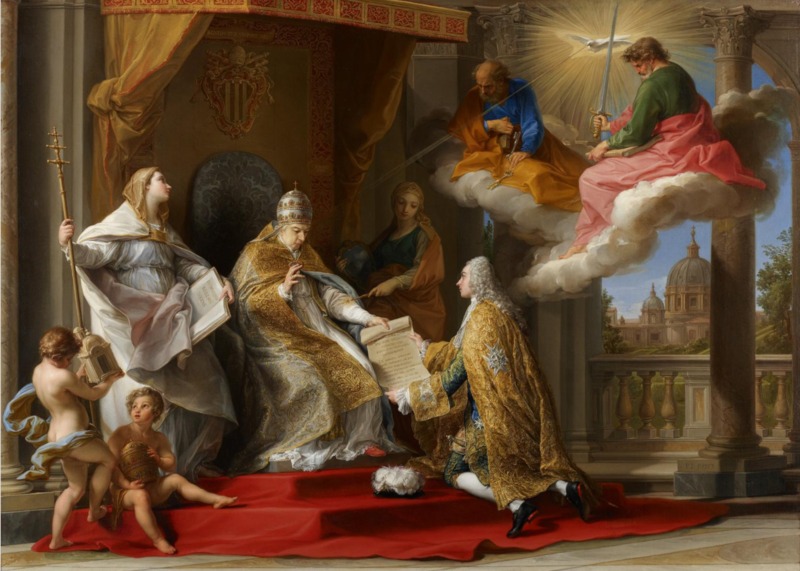
Religious And Political Context Of 18th Century Rome 18th Century Urban Life In Italy Piranesi In Rome

Church Of England Anglican Church History

Pin On Malasia

Towers And Crosses On Roof Of Lutheran Church Of St John Monument Of 18th Century Architecture Neogothic Style In European City Grodno Stock Photo Download Image Now Istock
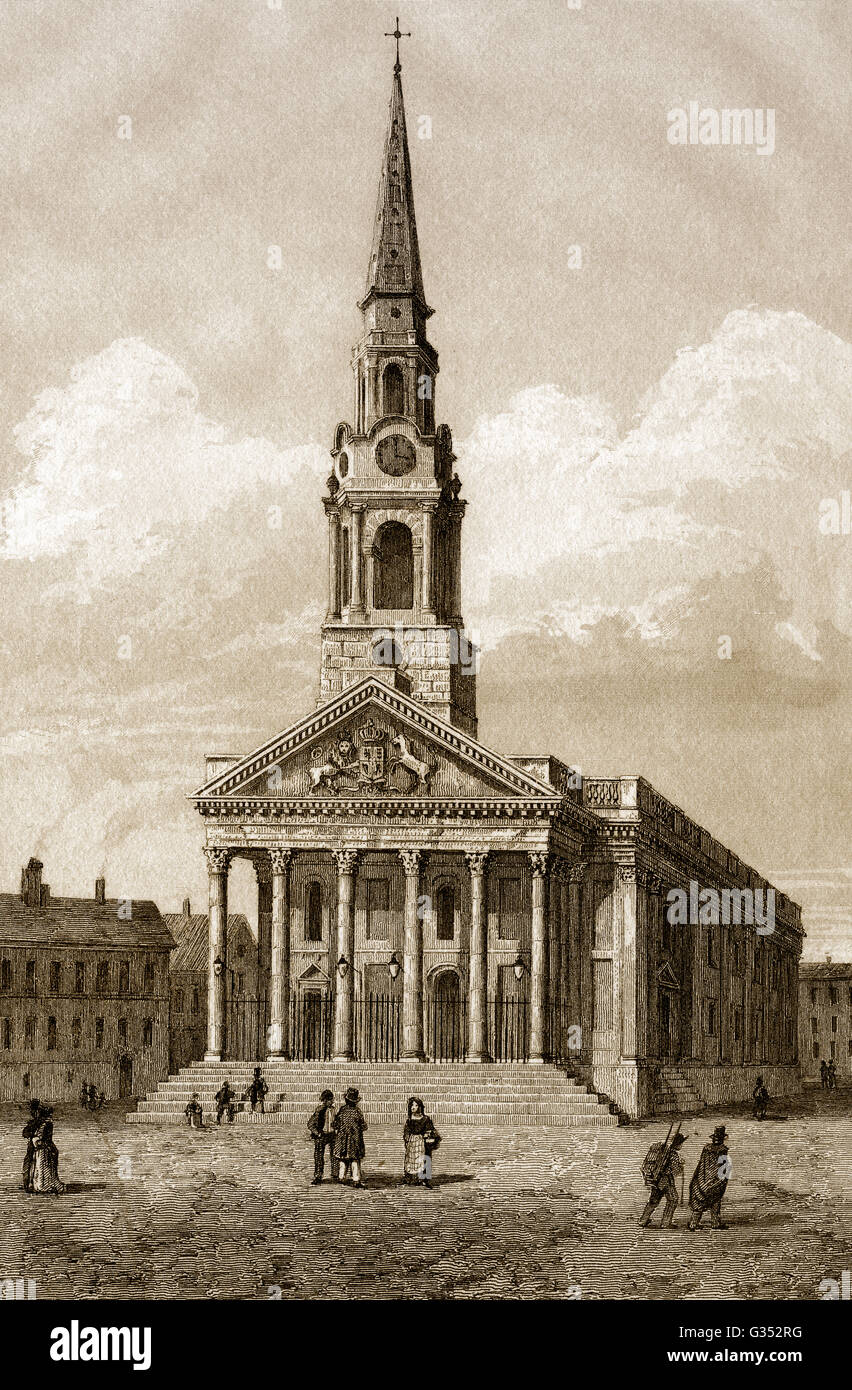
Anglican Church 18th Century England High Resolution Stock Photography And Images Alamy

Pin On Rise Of Russia Chapter 18

Scottish Religion In The Eighteenth Century Wikiwand
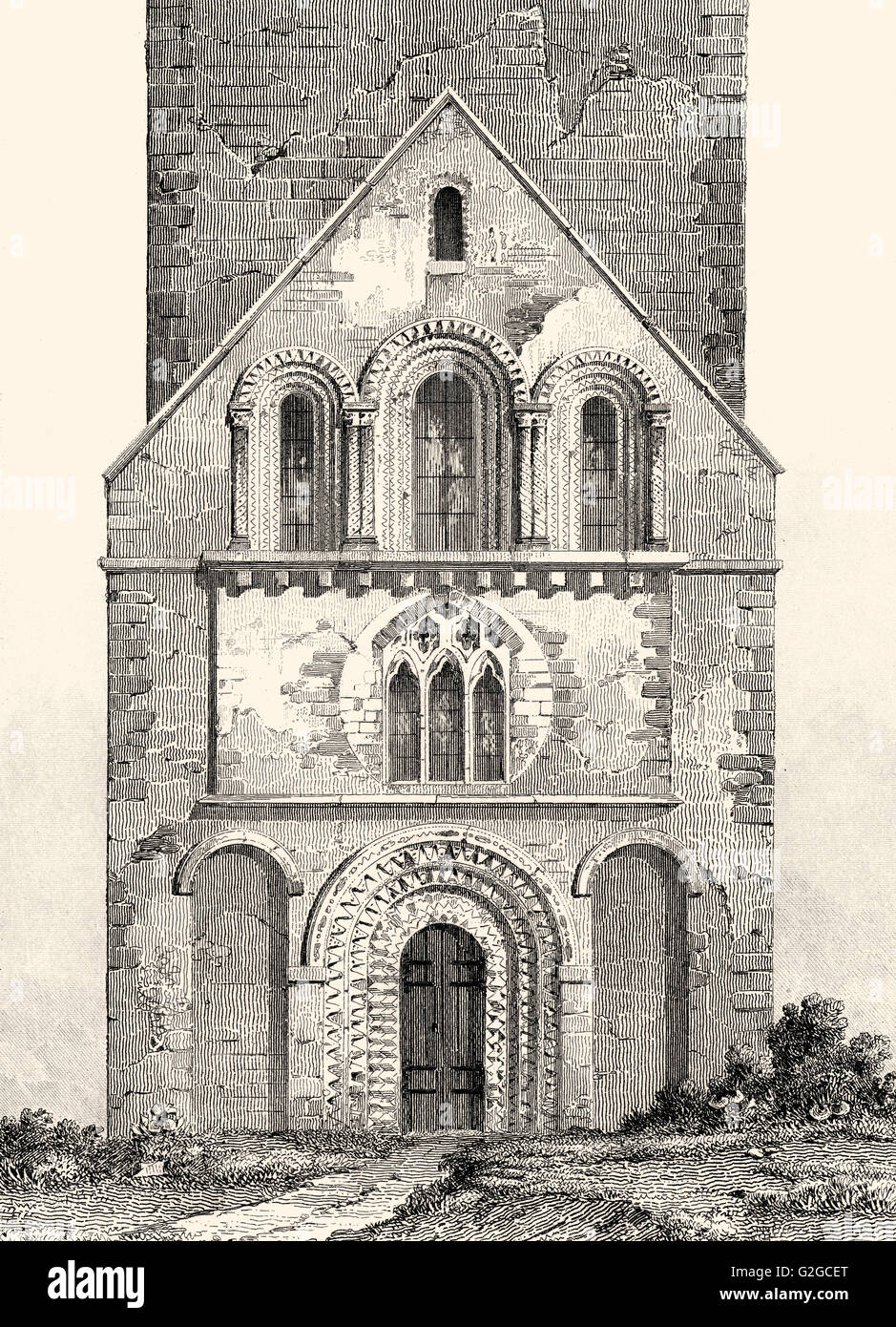
Anglican Church 18th Century England High Resolution Stock Photography And Images Alamy

Pin On Irish Huguenot Connections
Christianity In The 18th Century Wikipedia

Towers And Crosses On Roof Of Lutheran Church Of St John Monument Of 18th Century Architecture Neogothic Style In European City Grodno Stock Photo Download Image Now Istock

Pin On Kiev Ukraine

Pin On Travel

Pin On Baroque Germany
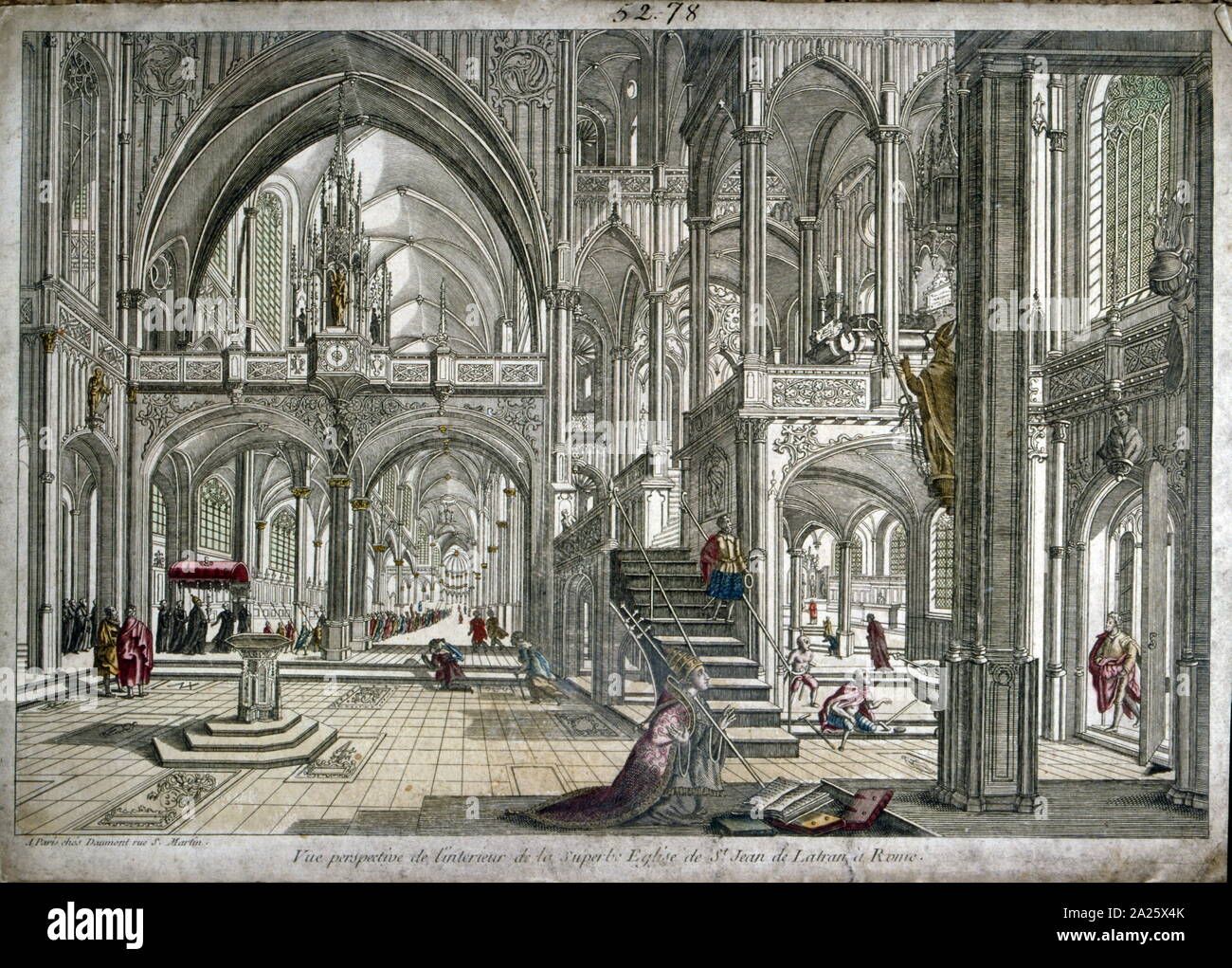
Illustration Of St Peters Church High Resolution Stock Photography And Images Alamy

Interior Of Baroque Marienmuenster Church Diessen Ammersee Bavaria Germany Stock Photo Image Of Magnificent Dome 172554306

Pin On Edu 1196 701
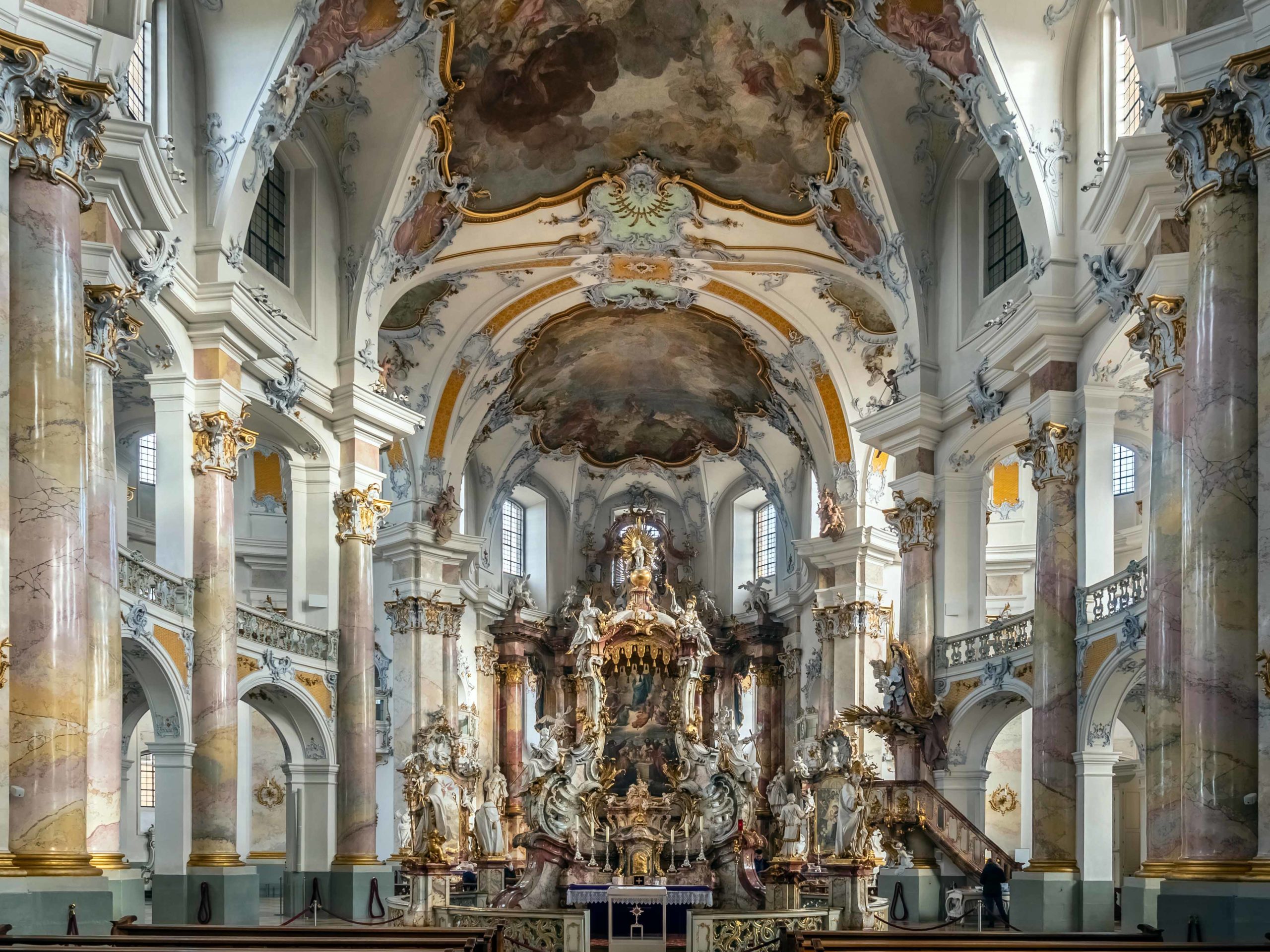
Architecture In 18th Century Germany Smarthistory

Architecture The Church Of The Ascension In The City Of New York


Comments
Post a Comment